
In this article
If the drone fell into water, do not switch it on to see if it still works. Recover it only if this can be done safely and follow the manufacturer’s guidance for the equipment and battery. Drying the outside does not confirm that the internal components are safe.
This guide sets out the response after the incident. It does not provide a home repair method or a drying period that guarantees a return to flight.
Recovery must not cause another accident
An aircraft does not justify entering moving water, approaching a cliff, climbing a structure or crossing a prohibited-access area. If recovery requires specialist resources, contact the appropriate authority or service for the location. Do not ask someone to enter the water to save the memory card.
Keep the latest available information about the position, time and what happened. If you did not recover the equipment, keep the records in the app so you can report the incident. Avoid repeating flights in the same location to try to spot the drone without first assessing the conditions.
Do not switch on or charge
In the water damage guide, DJI recommends removing the battery and drying it in a cool, well-ventilated environment, without switching the aircraft on again once it is dry. It also explains that water can cause corrosion and advises having the equipment assessed.
Remove the battery only if it is accessible and can be handled safely. Do not force a deformed fitting. If there is leakage, swelling, abnormal heat or signs of a reaction, keep people away and seek appropriate emergency guidance. Do not carry a battery in that condition by hand or in a rucksack.
The Mavic series repair manual emphasises that damaged, swollen or leaking batteries must not be used and must not be dismantled or punctured. Do not try to charge the battery to restore the connection to the controller.
What not to conclude after drying
This guide does not set a rule to «wait two days and fly again». The equipment may look normal on the outside and still need assessment. A successful connection, lit LEDs or the absence of an alert in the app do not constitute a diagnostic report.
Do not use rice, direct heat, dismantling or cleaning of internal contacts as a substitute for the manufacturer’s instructions. Also, do not make a low flight over the garden to prove that the electronics have survived. This test powers components whose condition you still do not know.
Preserving photos and videos
If an accessible removable card is present, avoid powering the drone just to access the images. Ask the manufacturer or a data recovery service how to safely remove and handle a card that may also have become wet.
The DJI data backup guide recommends backing up the files and removing the microSD before sending a product for repair. In the event of contact with water, this task must respect the equipment’s safety conditions. Tell support if there is important material in the internal memory before authorising procedures that could erase it.
Do not format a card with files that need to be recovered. The article on microSD errors helps organise storage diagnostics, but does not replace assessment of a wet storage device.
Preparing a support request
| Information | Why it helps |
|---|---|
| Date, time and sequence of events | Relate the incident to the records |
| Type of water contact | Describe the exposure without concealing what happened |
| Battery condition | Determine appropriate handling and transport |
| Tests carried out afterwards | Say whether power or charging was applied |
| Files to recover | Communicate the need before work begins |
Confirm with support how to send the aircraft and, above all, the battery. Do not put a damaged battery in an ordinary parcel on your own initiative. Warranty or service plan cover depends on the applicable terms and the diagnosis; the article does not promise a free replacement.
If the equipment is still missing, start by preserving the records and contacting official DJI support. Recovering the drone and preserving the images are separate tasks, both subject to the safety of people.
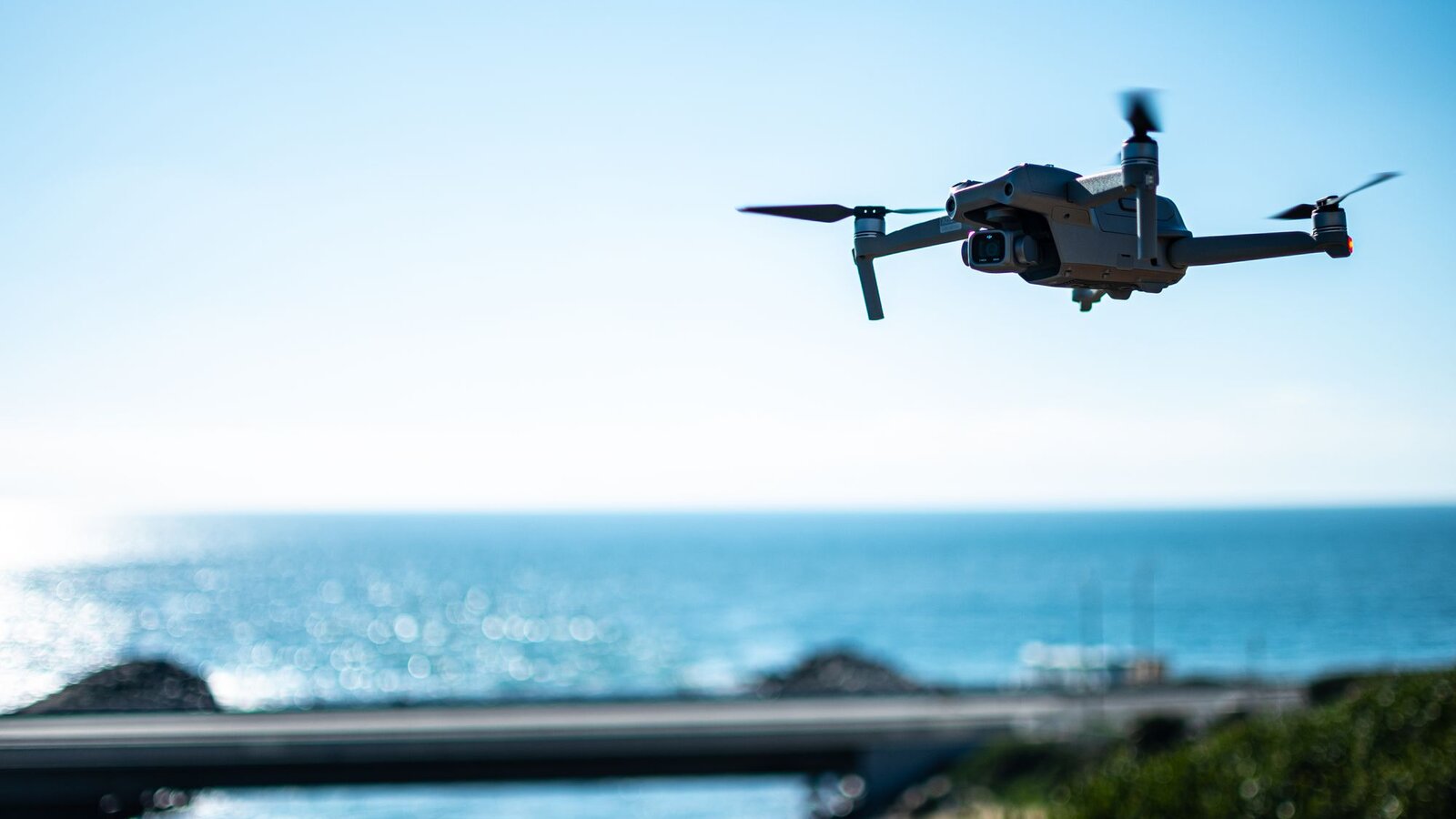
Official sources consulted on 10 October 2026. Illustrative image. No immersion or recovery tests were carried out.

DroneFlyBlog
Keep exploring the world of drones
Get new buying, aerial photography and drone use guides to prepare for your next purchase or flight.