
In this article
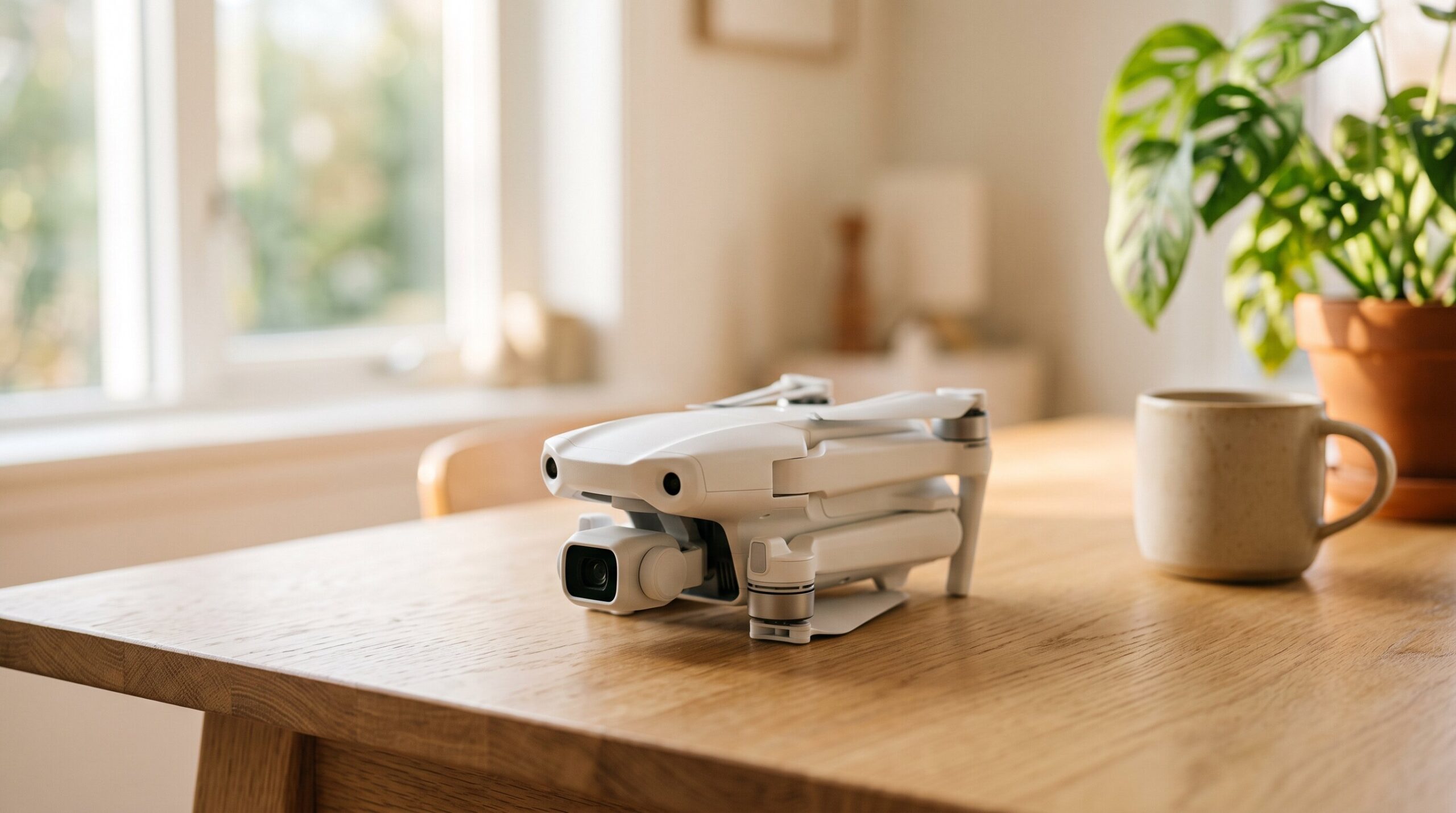
To travel by air with drone batteries, check the energy of each battery in Wh, protect the contacts and consult the rules of the airline operating each flight. Spare lithium batteries must travel in the cabin. The drone body may have its own rules, different from those applicable to the batteries.
This distinction is especially important with TAP: the current page expressly separates the transport of drones from the transport of batteries. Check the conditions of your booking before packing your luggage.
First, read the Wh of each battery
The IATA passenger guide for 2026 explains that the limits depend on the type of battery, the energy and whether it is installed or carried separately. The Wh rating should be verifiable on the battery or in the documentation.
When you need to check the calculation, use the nominal voltage: Wh = V × Ah. If the capacity is in mAh, divide it by 1000 before multiplying. A hypothetical battery of 7,4 V and 2500 mAh corresponds to 7,4 × 2,5 = 18,5 Wh. The example does not identify a commercial model.
Do not use the charger’s output voltage in this calculation. Keep a legible photograph of the label and the manufacturer’s datasheet; a calculation made by you does not replace the documentation required by the carrier.
Energy tiers are only part of the decision
| Energy per battery | What to confirm |
|---|---|
| Up to 100 Wh | Allowed quantity, protection and specific airline rules. |
| More than 100 Wh and up to 160 Wh | Carrier approval and quantity limits. |
| More than 160 Wh | Do not count on transport as normal passenger baggage. |
The EASA recommends consulting the operator regarding equipment such as drones and respecting specific energy and quantity restrictions. Do not mentally add the Wh of several batteries to replace the rating of each unit; inform the airline about the individual energy and the number of units.
With TAP, confirm the drone and the batteries separately
On the TAP dangerous goods page, consulted on 2 October 2026, drones are listed as prohibited in carry-on baggage and allowed in hold luggage. The airline states that, whenever possible, the battery should be removed and carried in the cabin, properly protected. The same page prohibits drones destined for Venezuela.
For spare lithium-ion batteries up to 100 Wh, TAP requires approval when the quantity exceeds 20 and prohibits transport in the hold. Above 100 Wh and up to 160 Wh, it requires approval and limits spares to two per passenger. Confirm the rule for the specific battery and do not confuse these conditions with the rules for power banks.
If you have a connection operated by another airline, also consult that carrier. An answer regarding the first flight does not automatically resolve the conditions of the second.
Preparing packaging and going through security
The IATA guidance for safe travel recommends protecting spare batteries against short-circuit, using original packaging or protected contacts and individual packaging. Do not travel with swollen, punctured or damaged batteries. If you observe abnormal heating or smoke at the airport or on the plane, alert staff immediately.
Pack your bag so that you can remove the batteries without scattering the rest of your equipment. If your carry-on luggage is sent to the hold at the aircraft door, remove the spare batteries and power banks before handing it over. A pouch does not turn a prohibited battery into an accepted one.
A useful message for the carrier
Instead of just asking whether you can take a drone, provide the necessary data to obtain an answer applicable to your case:
- Flights and operating carriers for each route.
- Drone model and possibility of removing the battery.
- Quantity of batteries, energy in Wh and photograph of the labels.
- Planned method of stowing the drone and batteries.
Request confirmation of the necessary approvals and keep the response with your travel documents. Admission in hold baggage also does not mean authorisation to import or operate the drone at the destination. To fly in Portugal, consult the operating rules and confirm the applicable zones.
Rules consulted on 2 in October of 2026. The carrier and the itinerary authorities may impose additional conditions; consult the sources again before travel.

DroneFlyBlog
Keep exploring the world of drones
Get new buying, aerial photography and drone use guides to prepare for your next purchase or flight.