
TL;DR:
- Portugal will receive the NRP D. João II, Europe’s first dedicated drone carrier, later in 2026
- The 107.6-metre vessel can simultaneously operate aerial, surface, and submarine drones
- The project cost €132 million, mostly funded by EU recovery funds
- Primary mission: Atlantic surveillance, including Portugal’s EEZ — the third largest in Europe
- This ship positions Portugal as a European reference in unmanned military operations
I’ll be honest — when I first read the news, I had to double-check. Portugal — a country that rarely pops up on cutting-edge military tech radars — is building Europe’s first dedicated drone carrier. Not a retrofitted ship, not a pilot project. A vessel designed from the ground up to operate autonomous systems.
The NRP D. João II isn’t just a ship. It’s a statement about the future of European defence.
What exactly is the NRP D. João II?
Let’s get into the facts. The NRP D. João II is a 107.6-metre warship being built by Dutch company Damen at the Galati shipyard in Romania. The Portuguese government describes it as a “drone, land, and submarine carrier” — a vessel capable of launching and recovering all types of autonomous systems.
We’re talking about:
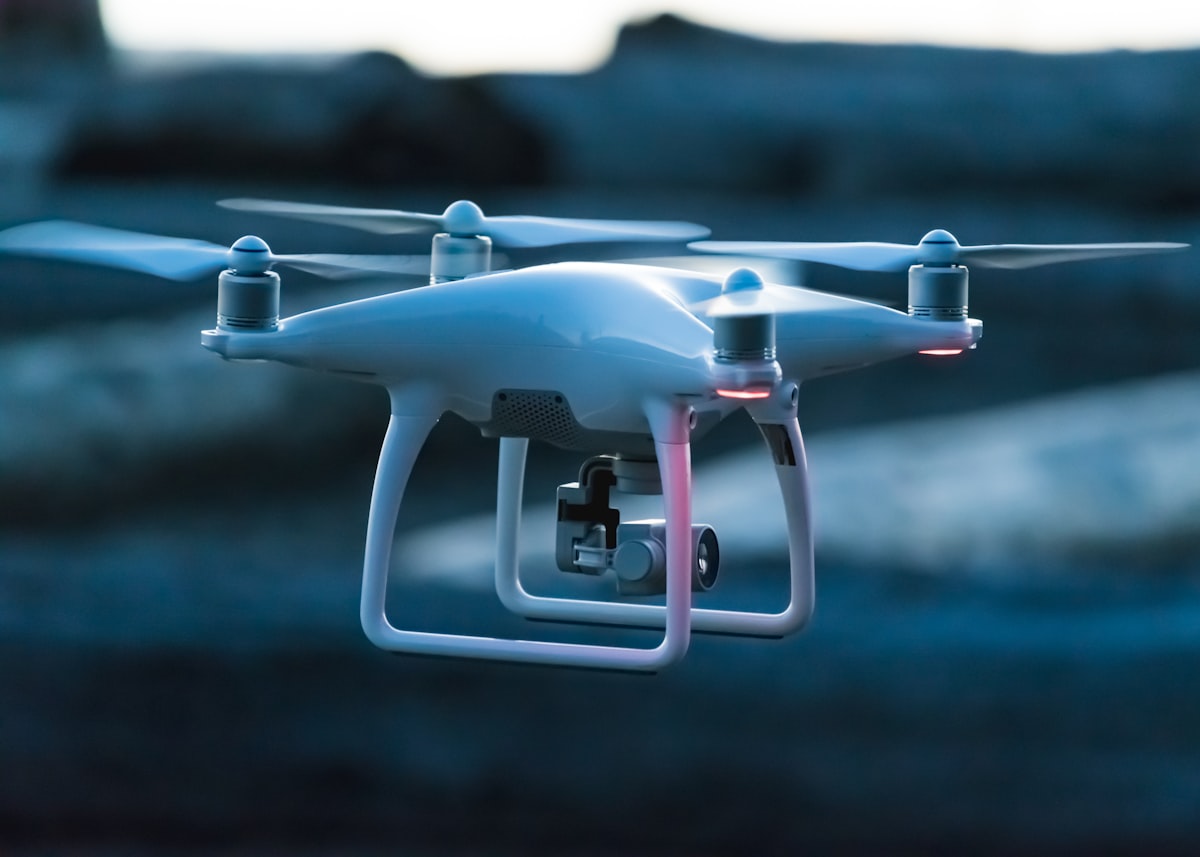
- Aerial drones — for surveillance, reconnaissance, and real-time mapping
- Unmanned surface vehicles (USV) — for patrol and search operations
- Autonomous underwater vehicles (AUV) — for seabed mapping and mine detection
The total project cost is around €132 million, largely funded by the EU’s Recovery and Resilience Plan. Delivery is expected in the second half of 2026.
Why Portugal?
This is the question everyone asks. And the answer is simpler than it seems: geography.
Portugal has the third-largest Exclusive Economic Zone (EEZ) in Europe — a massive maritime area stretching across the Atlantic. Monitoring this space with traditional crewed vessels is expensive, slow, and inefficient.
Drones change this equation entirely. A single drone carrier can cover an area that previously required several patrol ships, at significantly lower operational costs.
But it’s not just the EEZ. Portugal is strategically positioned as Europe’s Atlantic gateway — a position that gains relevance at a time when European maritime security sits at the top of the political agenda.
Operational capabilities
What makes the D. João II different from other ships that also use drones is the operational concept. This vessel wasn’t adapted — it was designed so that unmanned systems are the primary capability, not an afterthought.
Publicly available information indicates:
- Multipurpose hangar — dedicated space for storage, maintenance, and launch of multiple drone types
- Flight deck — prepared for simultaneous operations of unmanned aircraft of different categories
- Launch and recovery systems — for both aerial drones and underwater vehicles
- C4I command centre — for integrated real-time control of all autonomous operations
In practice, this means the D. João II can sit in the middle of the Atlantic and operate a network of aerial drones surveilling an area of hundreds of square kilometres, while underwater vehicles map the ocean floor beneath it.
What this means for the drone industry
For anyone working with drones — and for those following this blog — this matters for several reasons.
First, it validates the national commitment to unmanned systems. When the Portuguese Navy invests €132 million in a dedicated drone ship, it sends a clear signal to the market.
Second, it creates industrial opportunities. The D. João II will need drone suppliers, communication systems, and command and control software. Portuguese drone tech companies may find a significant institutional customer here.
Third, it accelerates regulation. Military drone operations in European airspace and maritime space drive the development of regulatory frameworks that ultimately benefit civilian and commercial use as well.
European context: Portugal isn’t alone
Portugal isn’t the only country investing in drone carriers. Turkey has the TCG Anadolu, which already operates Bayraktar TB3 drones. Iran has been developing its own concepts.
But the D. João II is the first dedicated European project — built within the EU institutional framework, funded by European funds, and aligned with the common European defence strategy.
This puts Portugal in a league of its own within NATO and the EU, at least in this specific segment.
When will we see it in action?
Delivery is scheduled for the second half of 2026. After delivery, there will be a testing and certification period that typically lasts several months. Realistic estimate: the D. João II should be operational by early 2027.
I’ll be following this project closely and updating this article as new developments emerge. If you work in the drone industry, this is a project worth your attention.
FAQ
How much did the NRP D. João II cost?
The project has a total cost of approximately €132 million, mostly funded by the EU’s Recovery and Resilience Plan.
When will it be delivered?
Delivery is expected in the second half of 2026.
What types of drones can it operate?
Aerial drones (UAV), unmanned surface vehicles (USV), and autonomous underwater vehicles (AUV).
Who built the ship?
Dutch company Damen, at the Galati shipyard in Romania.
